
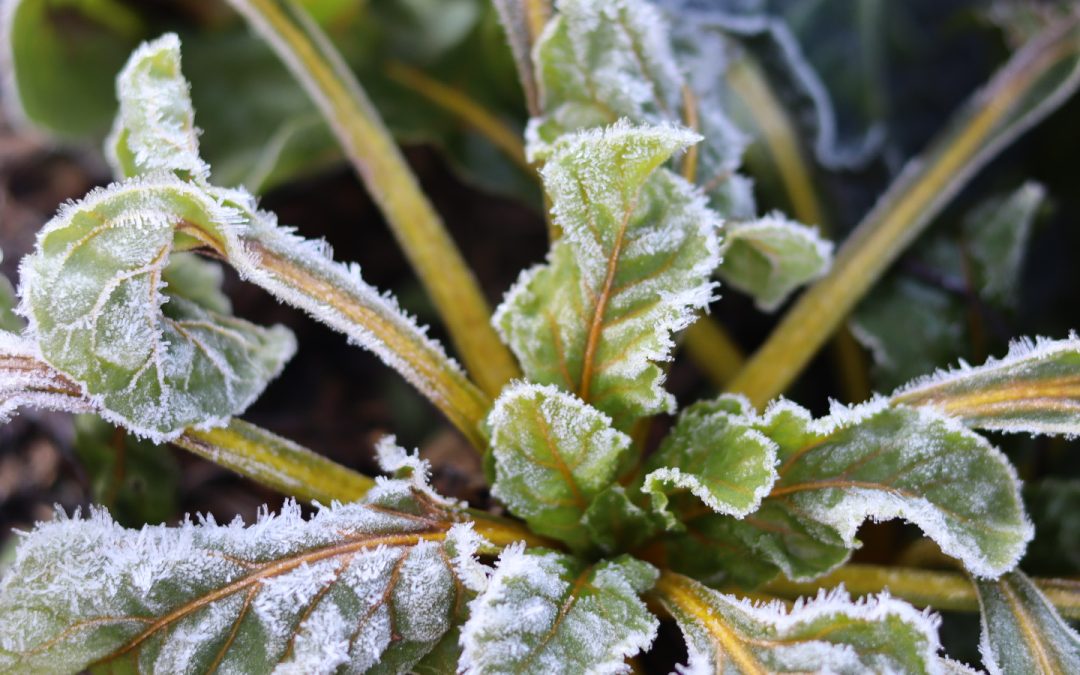
Every year in early November, when the air turns crisp and the leaves start crunching underneath my feet, I begin prepping my garden for the cold. Just a little TLC in the fall can protect your soil, set you up for an earlier spring, and even extend the harvest for a few cold-hardy crops. Here’s how to tuck your garden in for the winter:
Clean Up, but Not Too Much
Pull up diseased plants and spent annuals so pests and fungi don’t overwinter in your beds. But don’t be too tidy, leaving some healthy plant matter, seed heads, or mulch can provide food and shelter for beneficial insects and pollinators. Now, neighborhood HOAs may disagree, but if you’re able to leave a few things naturally, go ahead and do it in the name of a healthy ecosystem. The more we can emulate nature, the better our gardens, yards, and flowerbeds will fare.
Protect Your Soil
Just like our skin, bare soil is like an open wound in winter—it can erode, compact, and lose nutrients by drying out. Add a thick layer of mulch (straw, shredded leaves, or wood chips) to keep the soil hydrated and healthy. Or, better yet, sow a cover crop like crimson clover to feed the soil while you rest.
Extend the Season with Covers
Protecting vegetable-containing raised beds, cold frames, hoops, and frost cloth, or even simple row covers, can help you stretch your harvests well past the first frost. Get creative and use anything from flexible PVC pipe to even hula hoops from the dollar store to make a little frame over your beds. And remember, a bed sheet or tablecloth is not the same as frost cloth and can actually do more harm than good when it comes to frost protection. Sheets hold onto moisture, and when weighed down, can lie flat on plants, causing broken branches and stems. Frost cloth comes in different thicknesses, and a 1.5-ounce thickness will protect down to 28 degrees. Remember to ensure the frost cloth stretches all the way to the soil to trap heat during the day. The goal is to create small, miniature greenhouses around your plants to protect them from freezing temperatures.
Leave cold-hardy annuals
Don’t pull your cold-hardy veggies and flowers just because winter is coming!Have you ever thoughtabouttreatingyourraisedbedslikearefrigerator?Carrots,forexample,mightbeready in November, but as the temperatures begin to stay consistently cold, the soil also cools down and preserves your harvest until it’s ready to pick.Plants like kale, broccoli, carrots, spinach, and Brussels sprouts actually become sweeter after a frost or two and don’t require as much care. I only cover those hardy veggies when temperatures start to drop below 28 degrees for longer than 2 hours. For the flower enthusiast, pansies and snapdragons are also very resilient and can withstand temperatures as low as 28 degrees.Extended freezes below 28 might warrant using extra frost cloth on those plants as well.
This is also a great time to cut some herbs and hang them to dry in a low-traffic, low-humidity corner of your house. Frost-tender herbs like basil and dill will likely kick the bucket at the first sign of 32 degrees, so harvest those first. Protect your cilantro with frost cloth, and it will make it through the following spring with ease! Hardy herbs like oregano, thyme, and rosemary will power through with little to no help.
Tend to Your Perennials
If you’ve got asparagus or perennial flowers, mulch their base, and make sure they’re
well-watered going into winter. You’ll notice they turn yellow or brown after the first hard killing frost, at which point you can cut their stalks and stems to the base of the plant. They’ll thank you with vigorous growth in spring. I always know spring is just around the corner when asparagus stems start to pop up overnight. (asparagus picture)
Prep Your Tools and Beds
Drain hoses and irrigation zones, and clean pots so they’re ready when planting fever hits again. Battery-operated timers must be moved inside during hard freezes to prevent their internal components from breaking and freezing. Mark your beds with notes about what grew where—future you will be grateful when it’s time to rotate crops.
Plan Ahead
Winter is the dreaming season. Think about what did well in your garden and what didn’t. Conductsome research or watch YouTube videos on topics ranging from soil amendment to combating cabbage worms.Check out master gardener programs in your area and start learning from those in your community.With the garden tucked in, pour a hot cup of coffee, browse seed catalogs, andimaginenextyear’sgardendesignandplan.Thestepsyoutakenowwillgiveyoursoiland plants a head start.