
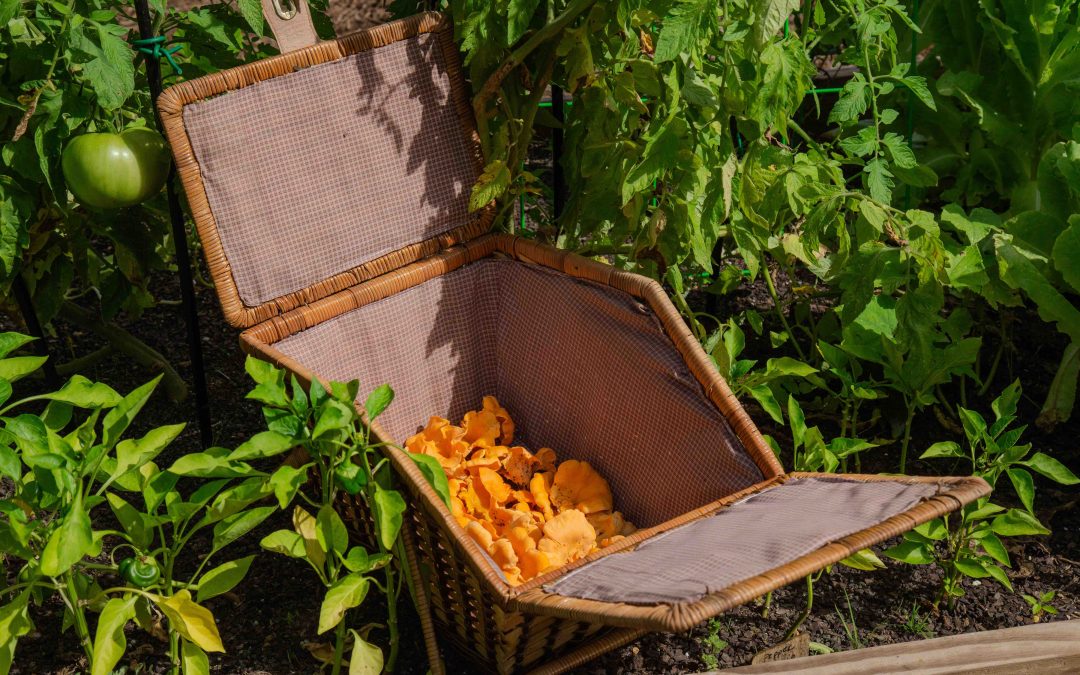
Years ago, I was in a public forest collecting chanterelles with my daughter as a woman passing on the trail was bewildered and asked what I was doing. When I said I was gathering mushrooms, she asked, “Are those the kind that make you go crazy?” I told her, “No, but I’m pretty crazy about eating them.”
When I tell people one of my favorite hobbies is to forage wild mushrooms, I am most often met with astonishment and fascination. After all, most Mississippians I have spoken with have never gone into the woods and come home with bags full of mushrooms for dinner. When you consider that Mississippi is warm, humid, and covered in forests, you might see why that handful of people in the know consider this state an excellent place to seek out and forage our abundant native wild mushrooms.
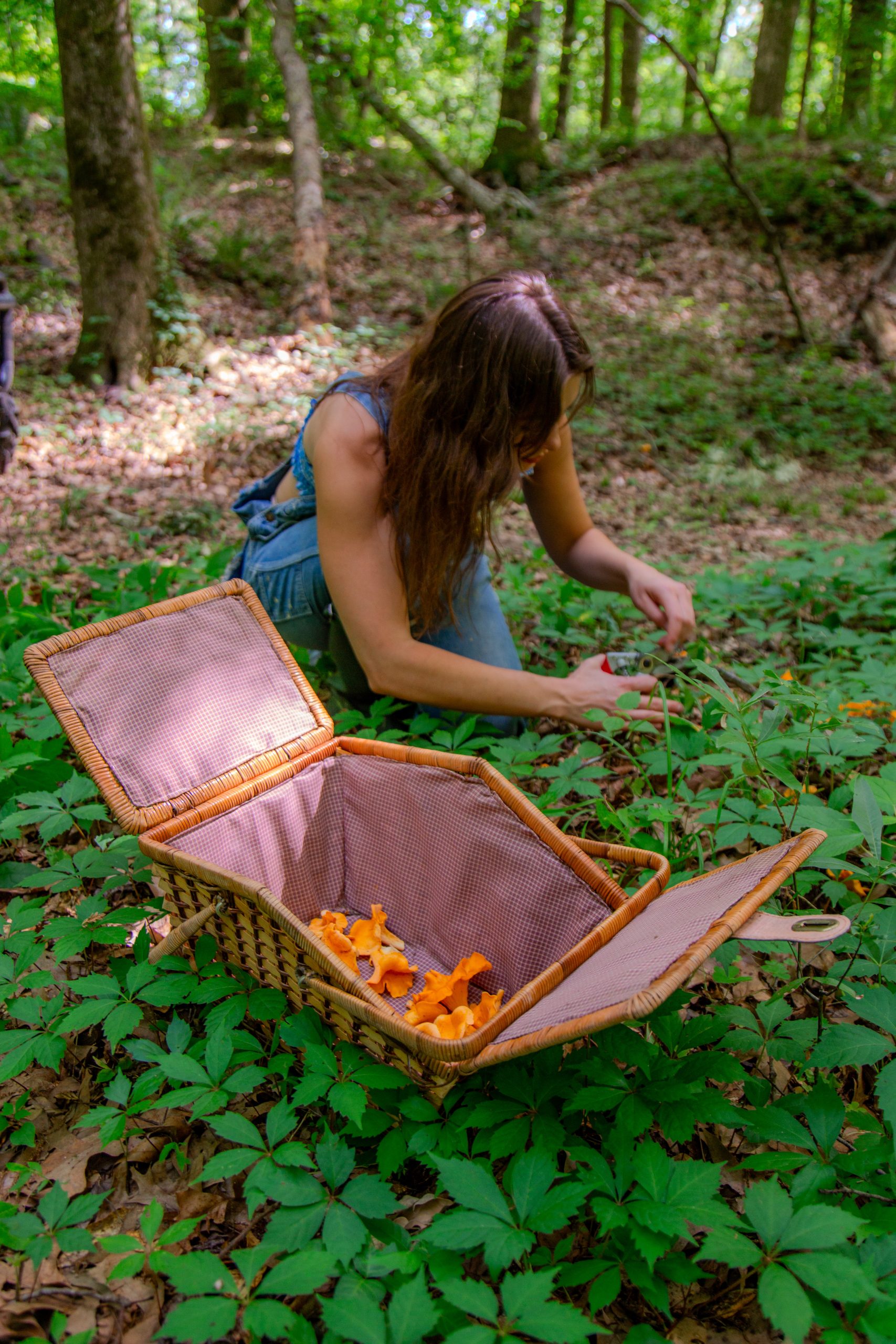
Like many people, I was raised to believe all mushrooms outside of grocery stores were poisonous. Several years ago, while living in the Pacific Northwest, I was invited on a chanterelle hunt. I was hooked after coming home with a few sacks of gourmet mushrooms. Instead of viewing fungi as off limits, I was shown that a walk in the woods could be a real-life easter egg hunt and the reward—delicious mushrooms. After moving back to Mississippi, you can imagine my surprise to learn that many of the mushrooms I foraged in the Pacific Northwest had been under my nose my whole life. In other parts of the country and the world, mushroom foraging is as normal as hunting or fishing.
To become a mushroom forager, you need practically nothing to get started aside from a knife, a breathable bag or basket, and a spot in the woods to hunt around. The biggest hurdle for most people who begin foraging is their safety, and that is for good reason. However, most people are worried for the wrong reasons. Anyone who’s spent much time in a Mississippi forest will know to look out for dangerous snakes, bugs, and plants. These are far more dangerous than any mushroom. Truthfully, most fungi you’ll encounter should not be consumed due to the potential for illness or even death. It is also true that some mushrooms are illegal to harvest or possess due to their psychedelic properties, but there are a handful of species that people pay top dollar for in expensive restaurants. Fortunately for Mississippians, they’re sitting there completely free for the taking by those who take the time to learn and gather them safely.
EDIBLE MUSHROOMS FOUND IN MISSISSIPPI
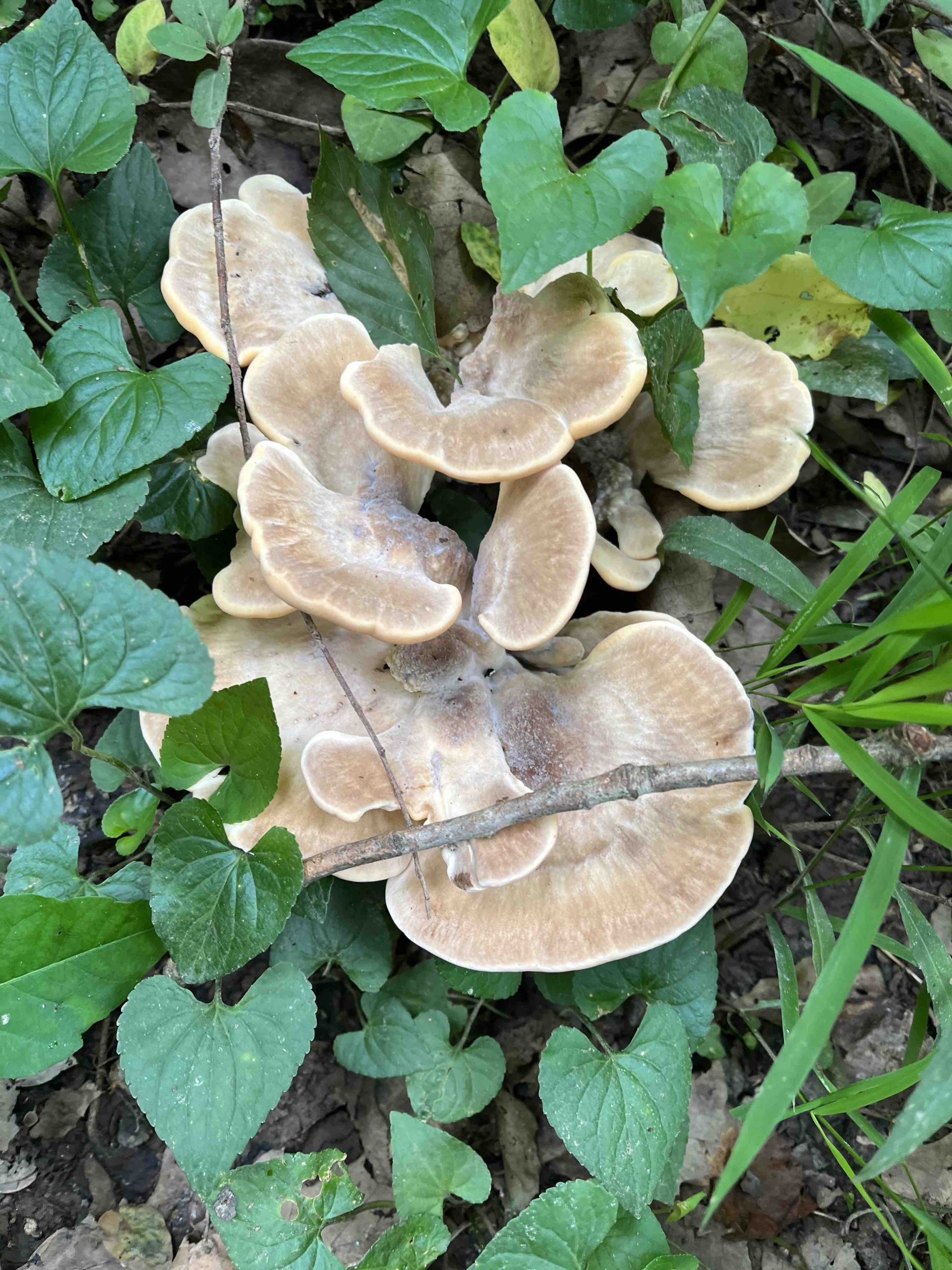
BLACK STAINING POLYPORE
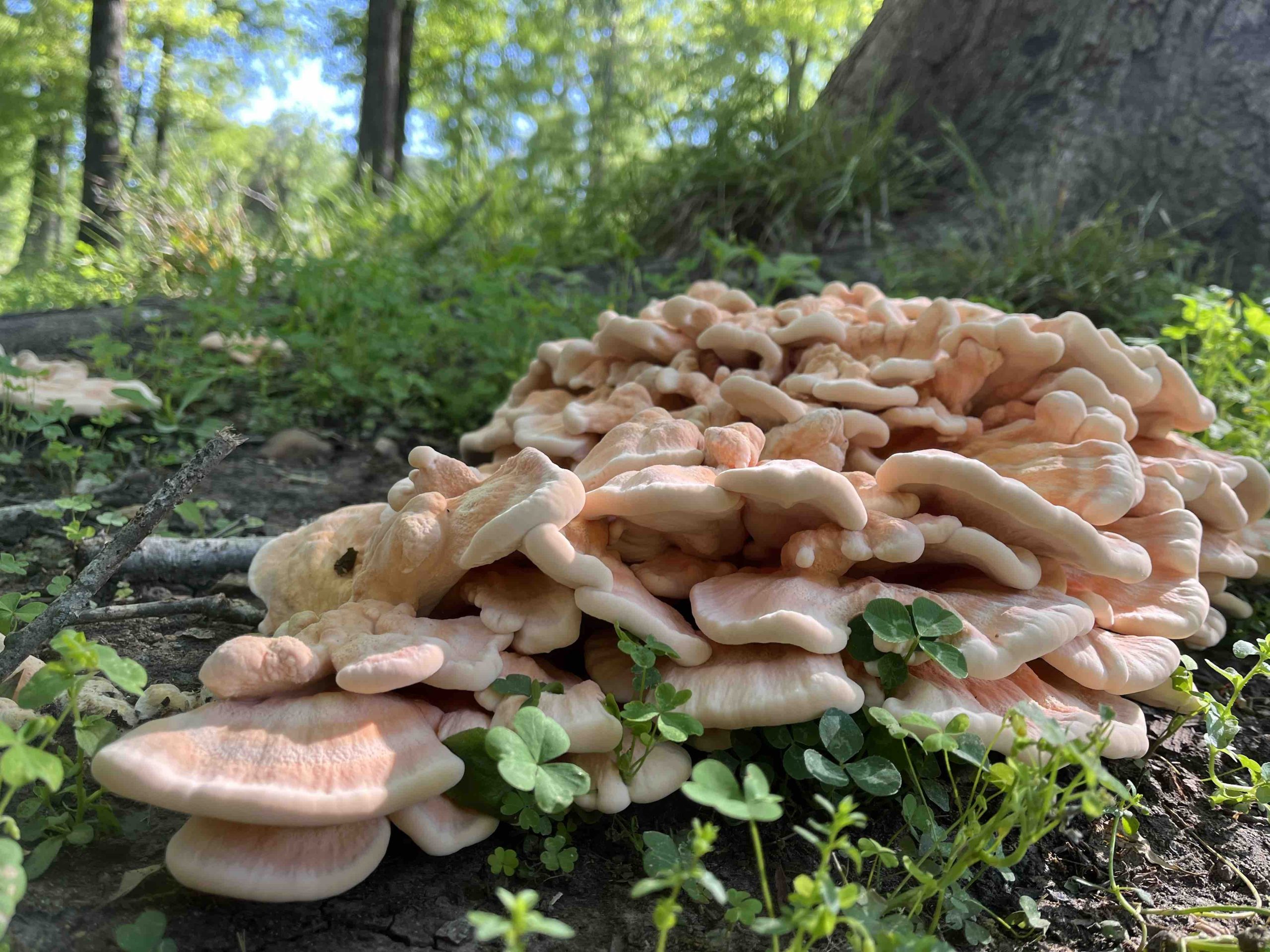
CHICKEN OF THE WOODS
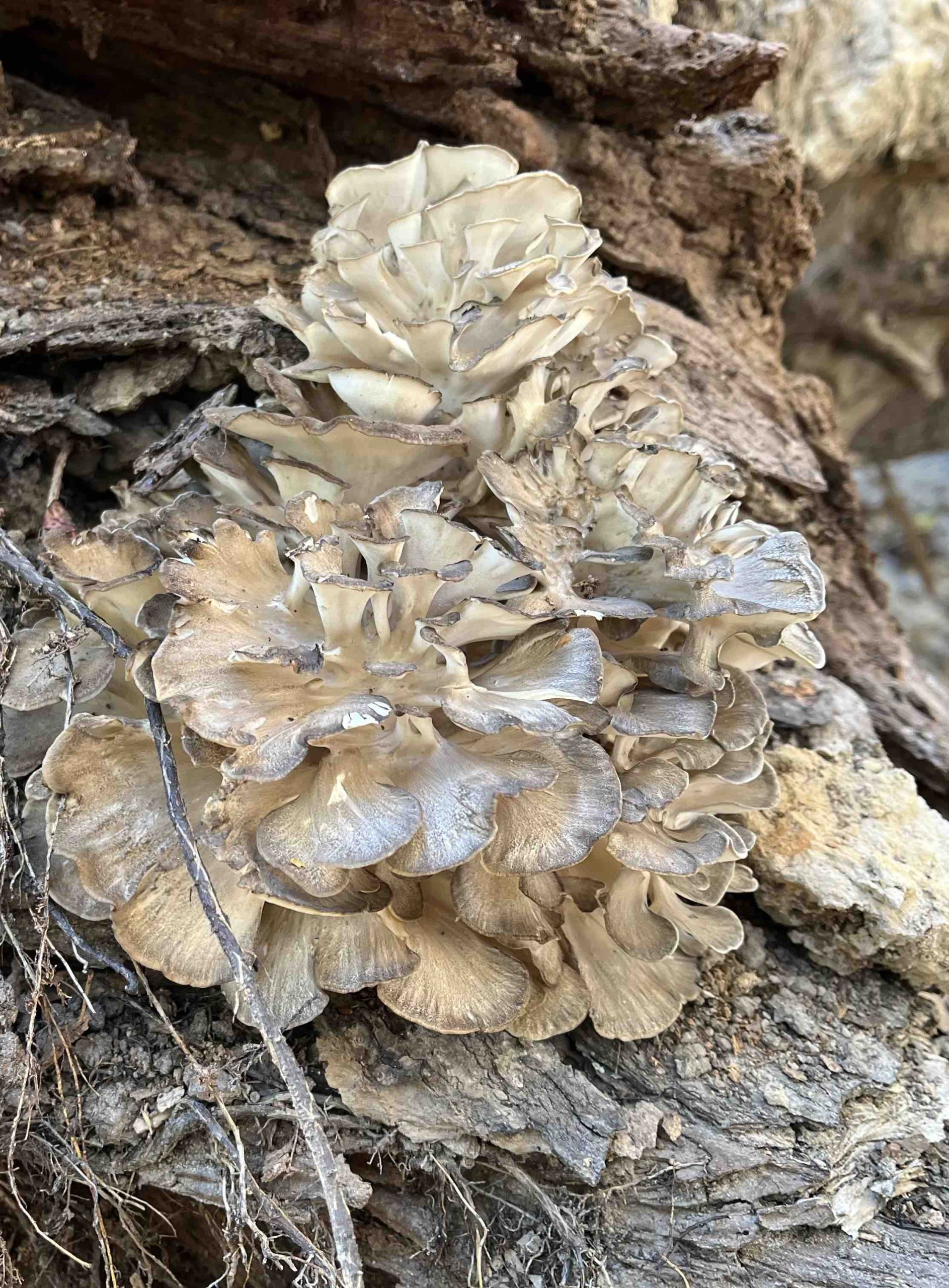
HEN OF THE WOODS
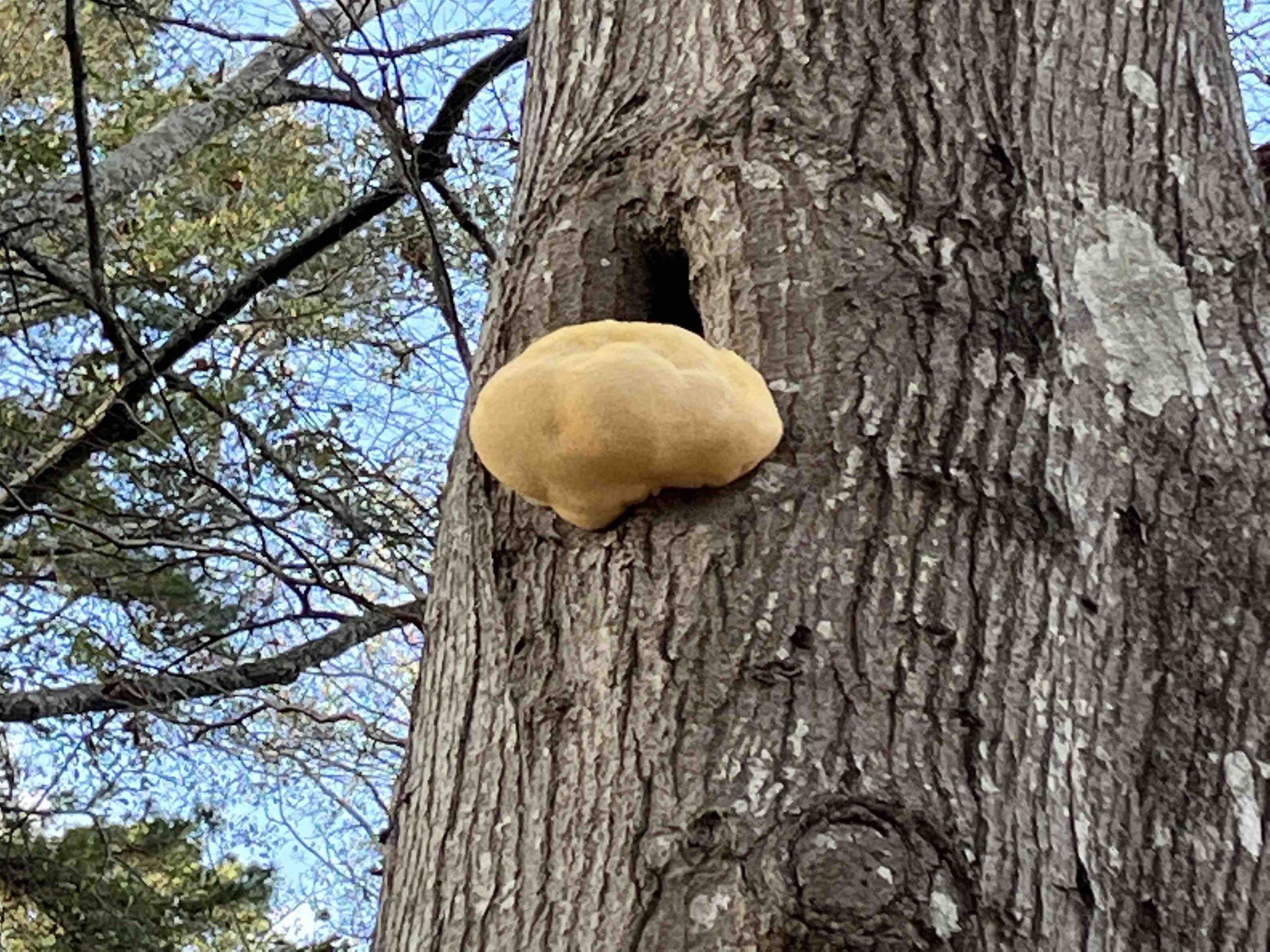
LION’S MANE
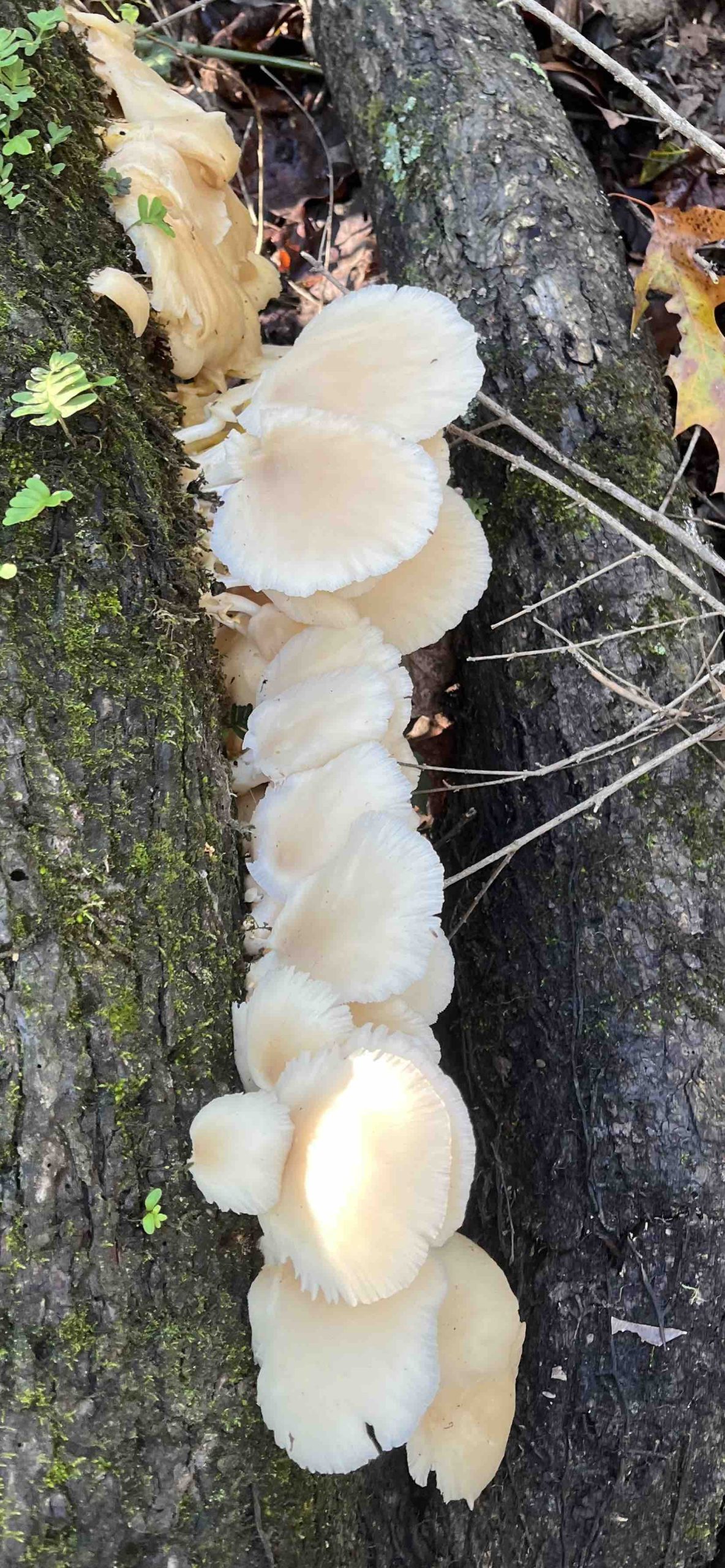
OYSTER MUSHROOMS
It is important to remember no mushroom can harm you unless consumed. Touching, even a deadly toxic mushroom, is harmless, although it may not be recommended. Far too many beginners are overly eager to eat the mushrooms they find, and most stories of horrible illnesses come from people being reckless. Instead, you should prepare yourself before going out and never harvest anything you are unsure of unless you only intend to study it. It is far better to miss out on eating a mushroom you cannot positively identify than to make a mistake even once. As for learning how to identify fungi, there is a wealth of information online. There are numerous books on the topic, and there are also local social media groups. These online communities are generally full of helpful people who have put in the time to learn, and they are often willing to help beginners as long as they follow community guidelines. Some social media groups even host group hunts as a good opportunity to get started.
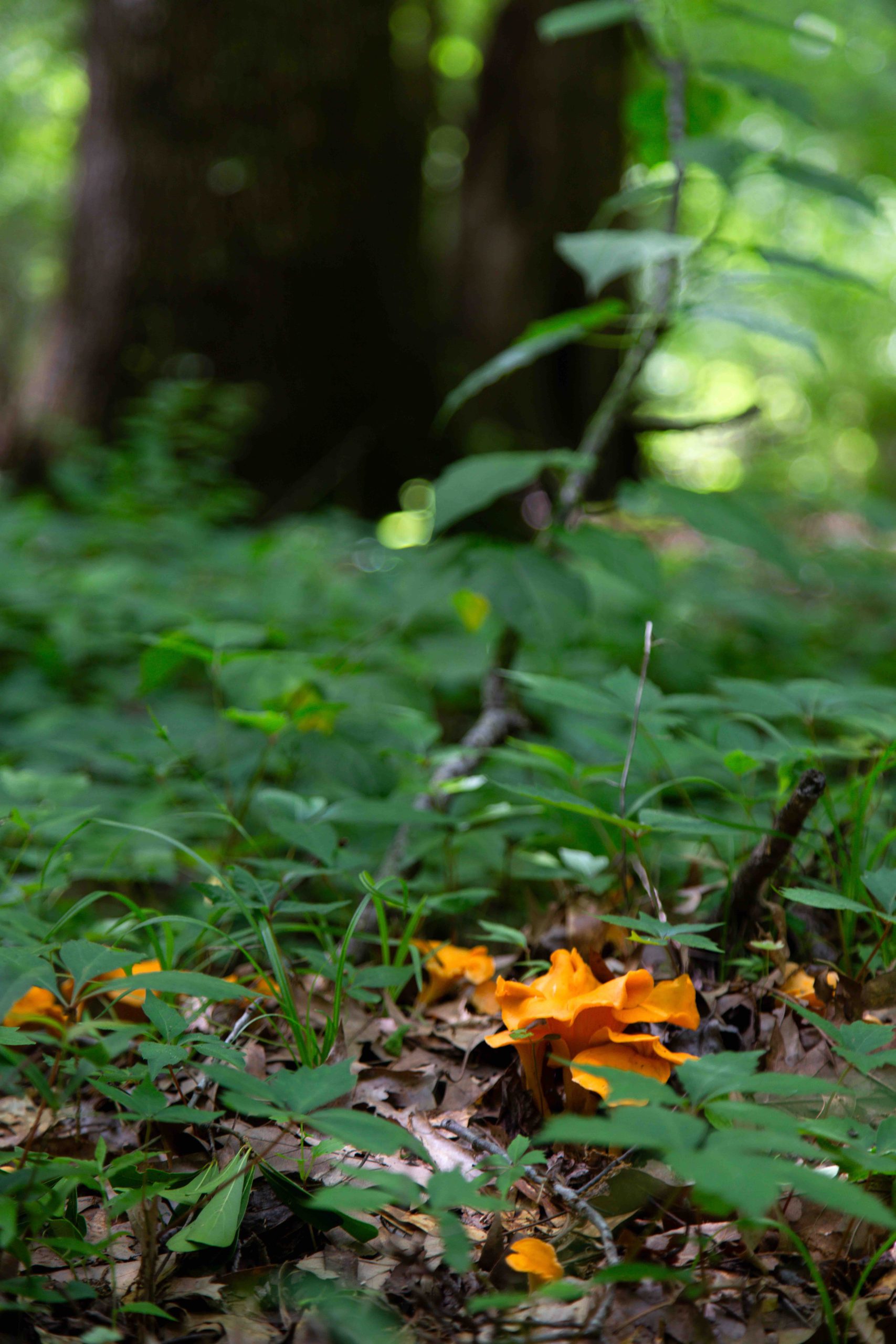
The list of mushrooms you can confidently identify will grow with experience. Still, chanterelles are the gateway for most foragers here and are likely the most abundant edible mushroom species in Mississippi. Chanterelles are easy to spot with their golden-yellow color and are known as being among the most beginner-friendly fungi. While color is the most distinctive feature, the next closest is these mushrooms, which have ridges, or false gills, on the underside that extend briefly down the stalk. It is not a chanterelle if the mushroom has true gills, which are more prominent and papery. It seems like a subtle difference at first until you get a feel for it, but at some point, the difference is unmistakable. Chanterelles grow out of the soil, never out of wood, and the mushroom stalks are not hollow and pull apart like string cheese. They have a distinct smell that is reminiscent of apricots. Their taste is unlike commercially grown mushrooms, as they are far richer and earthy.
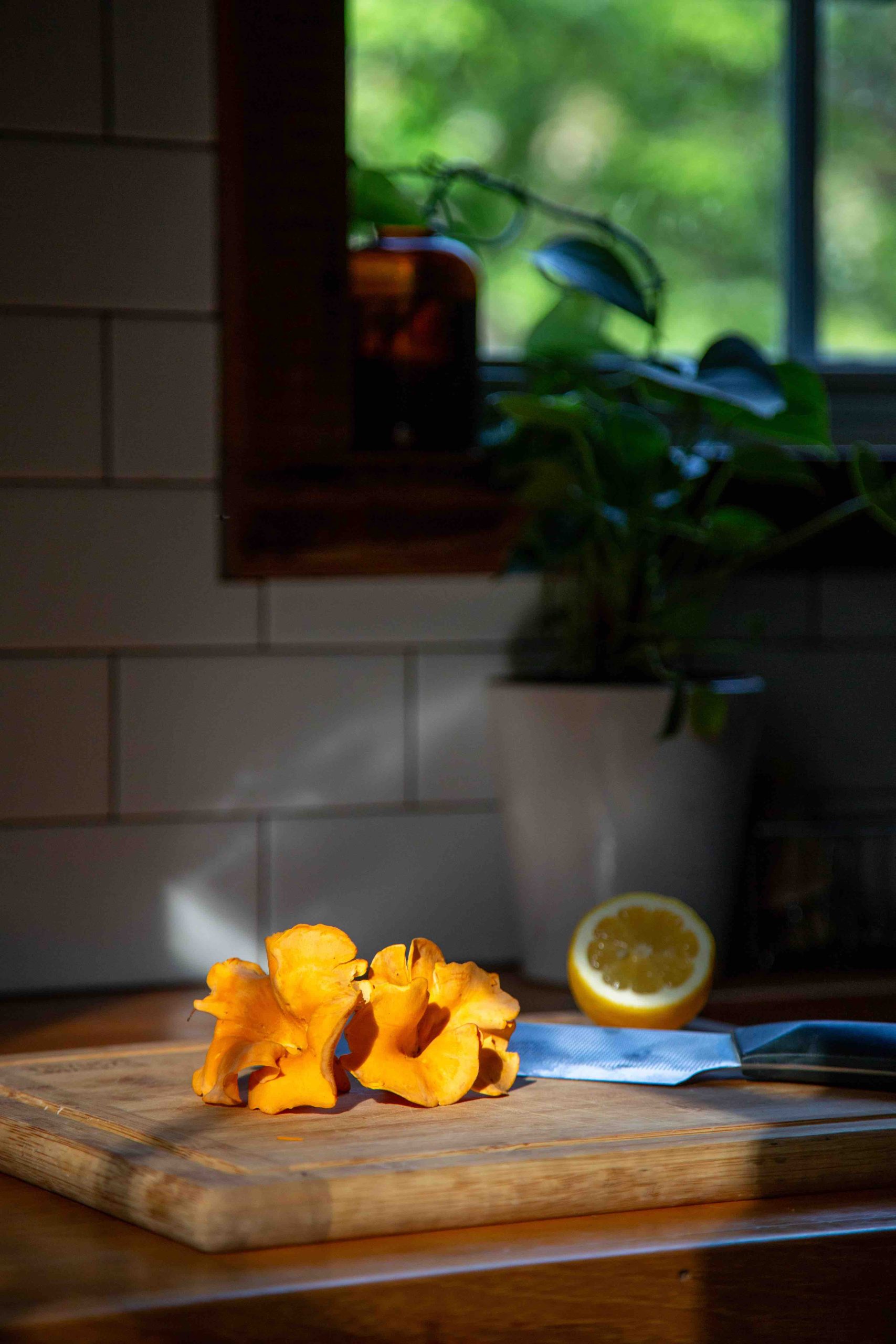
Chanterelles are highly dependent on temperature and moisture. Our southern counties could see the earliest specimens in late April. Still, for central Mississippi, the kick-off date tends to be around the middle of June or earlier, depending upon rainfall and temperature. From that point, the chanterelles will grow all summer unless the weather becomes too hot and dry. Any time following a good rain when the temperatures aren’t excessively high is a good time to look. Generally, chanterelles prefer old-growth hardwoods. I have found them growing in drainage ditches so that they can be nearly anywhere. However, you can improve your luck by sticking to the most mature hardwoods you can find two to three days following a good soaking rain.
Chanterelles are also a sign of healthy forests since the part of the mushroom we prize is a small but essential piece of a larger organism. The part above ground is produced to spread spores, but most of a chanterelle’s body, the mycelium, lives underground and is intertwined with tree roots. These mushrooms have a symbiotic relationship with their host trees, so they cannot be cultivated. If you find a chanterelle, that’s your sign to slow down. It is rare to find just one since the mycelium is likely throughout that area. Instead, take your time so that you do not trample mushrooms you haven’t yet seen and disturb the mycelium as little as possible. A location that produces chanterelles will produce them year after year if they are taken care of. It is also important to never take all the chanterelles you see. The mushrooms need to spread their spores, and leaving a good number behind helps ensure future harvests, but also because you compete with other critters for your meal. Older mushrooms attract insects, so only take the cleanest, freshest ones. It will save you a lot of time cleaning them up for cooking.
While Mississippi does not have a vast community of people who forage wild mushrooms, a handful of dedicated folks have put in the time to learn and enjoy the hobby. Asking somebody for their chanterelle patch is akin to asking for somebody’s secret fishing spot, so you’ll have to find your own, but the good news is that’s not too difficult in Mississippi as long as you choose the right time and place.