
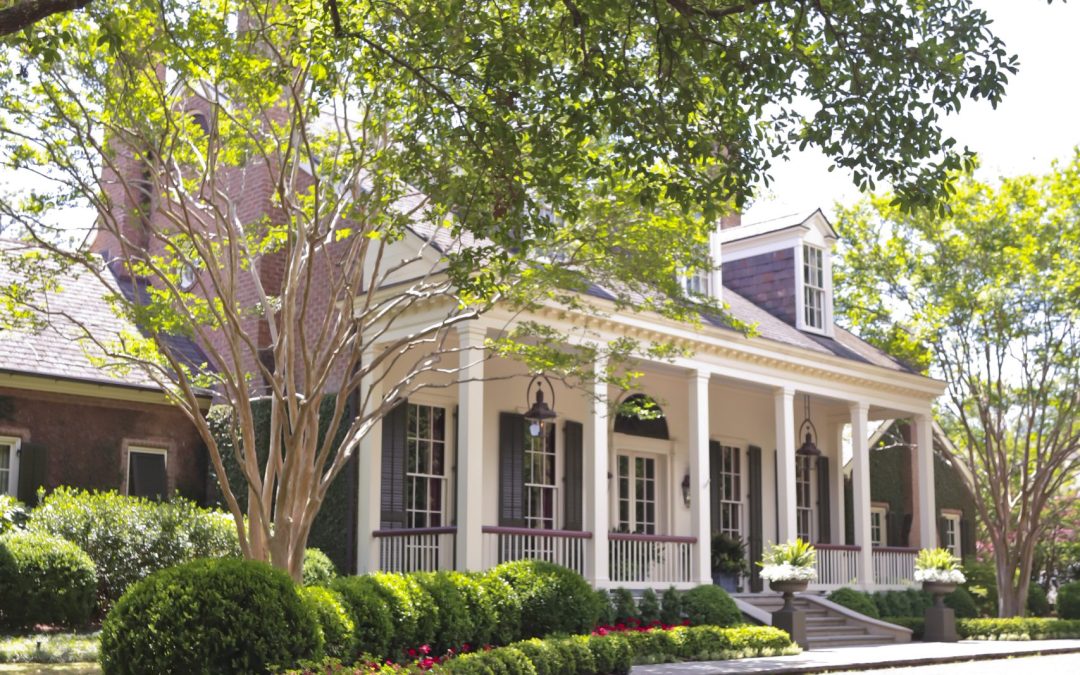
The fact that Hattiesburg is some 70 miles north of the Gulf of Mexico made no difference to the winds of Hurricane Katrina. They came howling far inland during those harrowing days in late August of 2005, creating devastating damage to structures and landscape features made by both man and God.
When the winds finally quieted, one home in Hattiesburg was left with 176 trees strewn horizontally across its three-acre lot. “We lost every hardwood tree and lots and lots of pines,” says the homeowner. “That’s when we realized we had to come up with something new.”
Facing damage to the house itself as well, the homeowners made the decision to integrate the renovation of the building with the reimagining of the landscape surrounding it. They called upon a team of Southern-born professionals including architect Lewis Graeber III, interior designer Richard Keith Langham, and landscape architect Ben Page to bring to life their vision for a reborn environment befitting its Deep South setting.
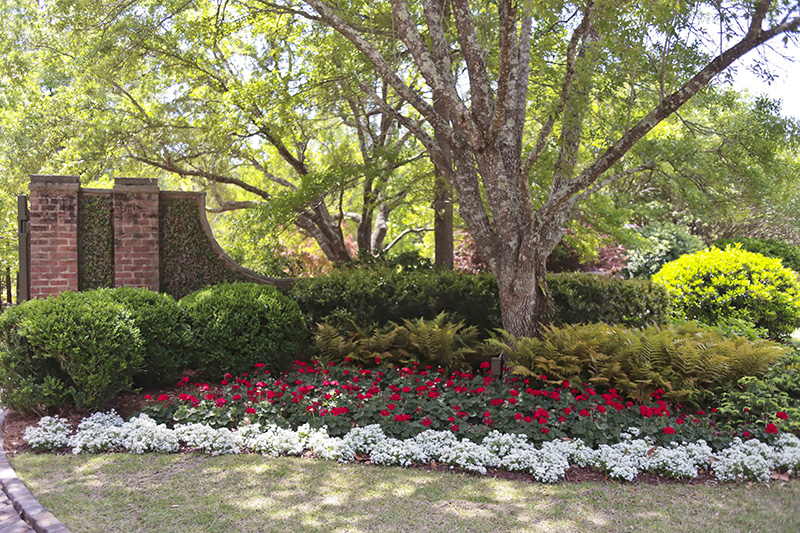
“The hurricane had just wiped everything out,” recalls Page, whose firm is based in Nashville. “It became an opportunity to meld together the landscape and the architecture and interior design of the house, and it was a very thoughtfully sympathetic cross-fertilization conversation among those three disciplines.”
Page’s design incorporated some pine trees that had survived the storm, but in order to make the property feel finished, it was necessary to bring in several additional large trees, especially live oaks and other typical Southern specimens.
“We wanted to put back, as much as we could, a very Mississippi-specific landscape aesthetic,” he says. “We wanted to re-energize that landscape with native plants to lower Mississippi, and that was the fun part. And it evolved into some pretty amazing aesthetic combinations.”
The flow of Page’s design begins with a gracious entry sequence that includes a long driveway shaded by live oaks and featuring layers of plants varying in texture, color, and size. A motor court was paved with antique Belgian cobblestones, and a nearby greenhouse complex was put in place to serve as a staging area for seasonal plants.
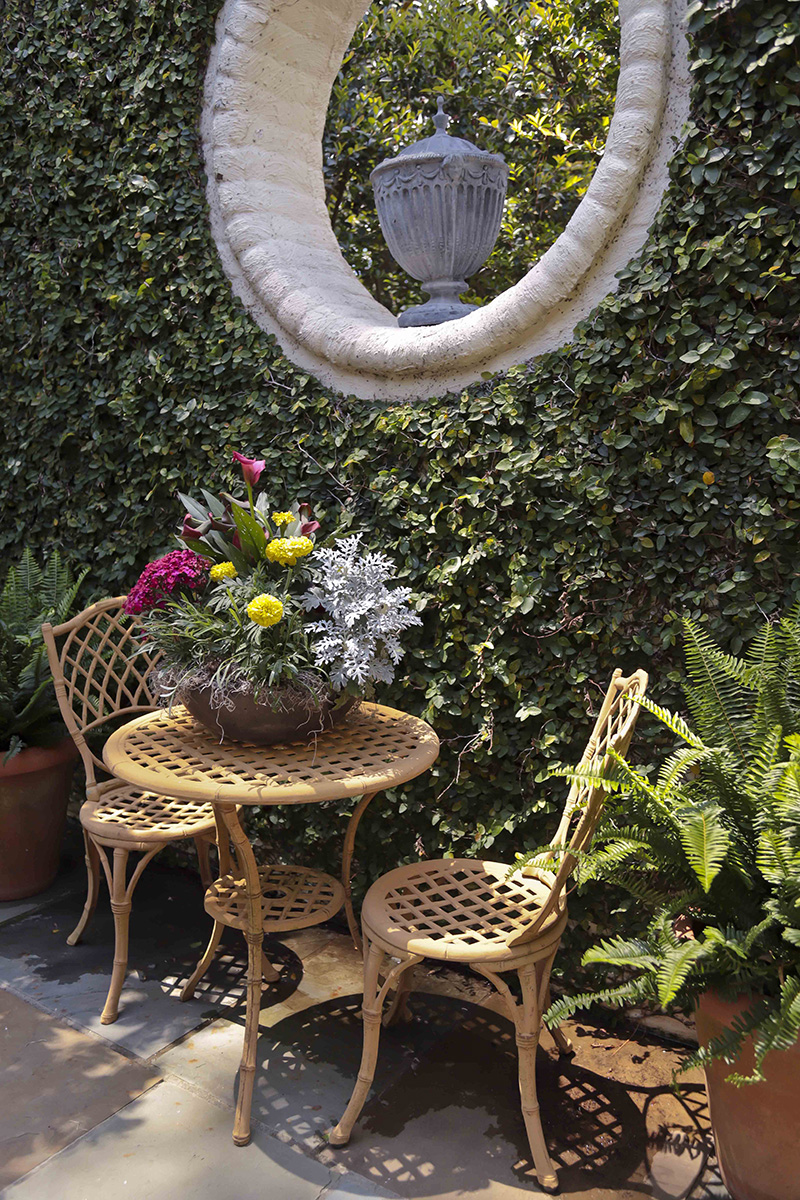
Throughout the property, Page created several distinct garden areas perfect for quiet reflection and conversation. Tiny spaces amongst the larger gardens were captured for private courtyards, and winding paths were installed to lead to other serene spots. Closer to the house, a “very intense planting scheme” ensured that beds full of blooms with threads of cloud-pruned boxwoods could be seen from nearly any window. Even the vertical planes were considered fair game for growing beautiful things, with examples including climbing fig covering a courtyard wall and espaliered magnolias trained to grow flat against a wire grid on a wall of the pool pavilion.
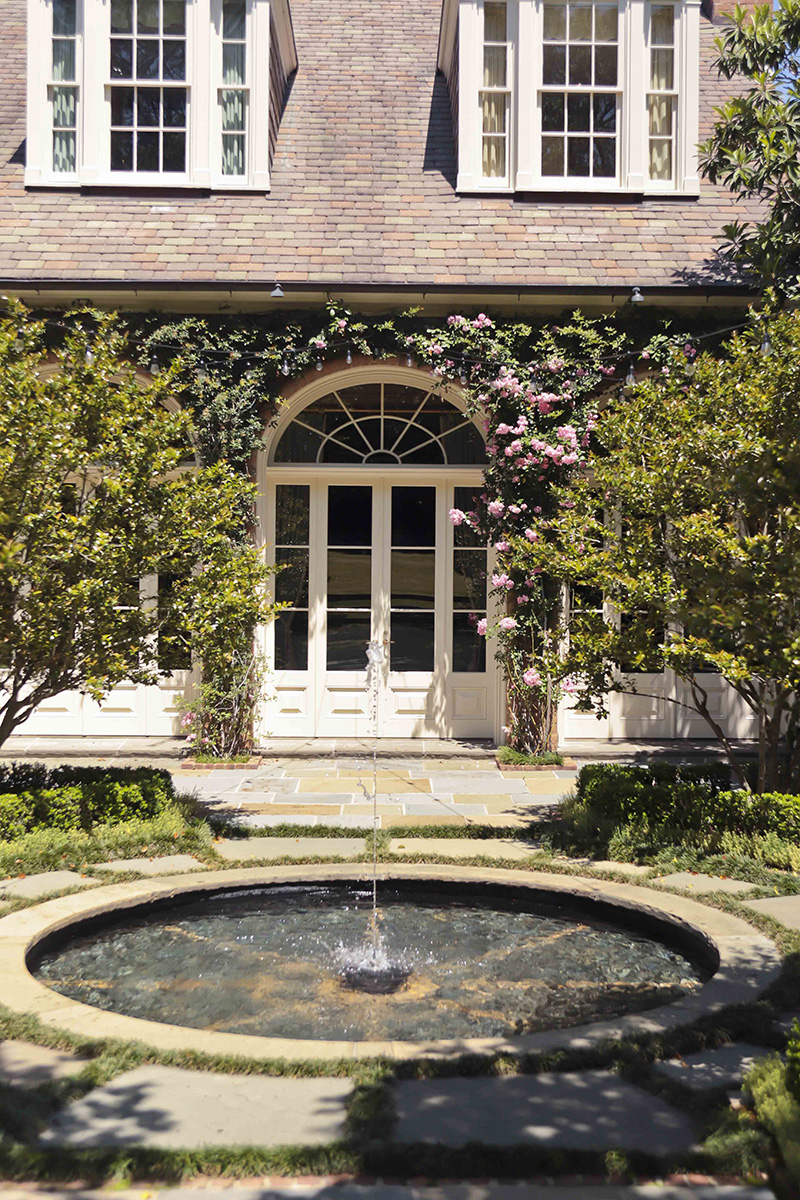
Multiple water features were also incorporated into the landscape plan. A decorative fountain is the focal point of a courtyard just behind the house, while the marble-tile-lined pool bears what Page calls a “luminescent quality.” Farther into the backyard, a rock-framed reflecting pond containing a collection of lotuses and water lilies feeds into a natural garden area filled with endangered and rare native plant species.
Among the Southern plants introduced into the gardens was a collection of camellias that was meaningful for the homeowner. “My mother had a small assortment of camellias, and she had a friend who had a big camellia garden,” the homeowner says. “And so I decided that I wanted to use a lot of camellias, with different varieties blooming at different times of the year.”
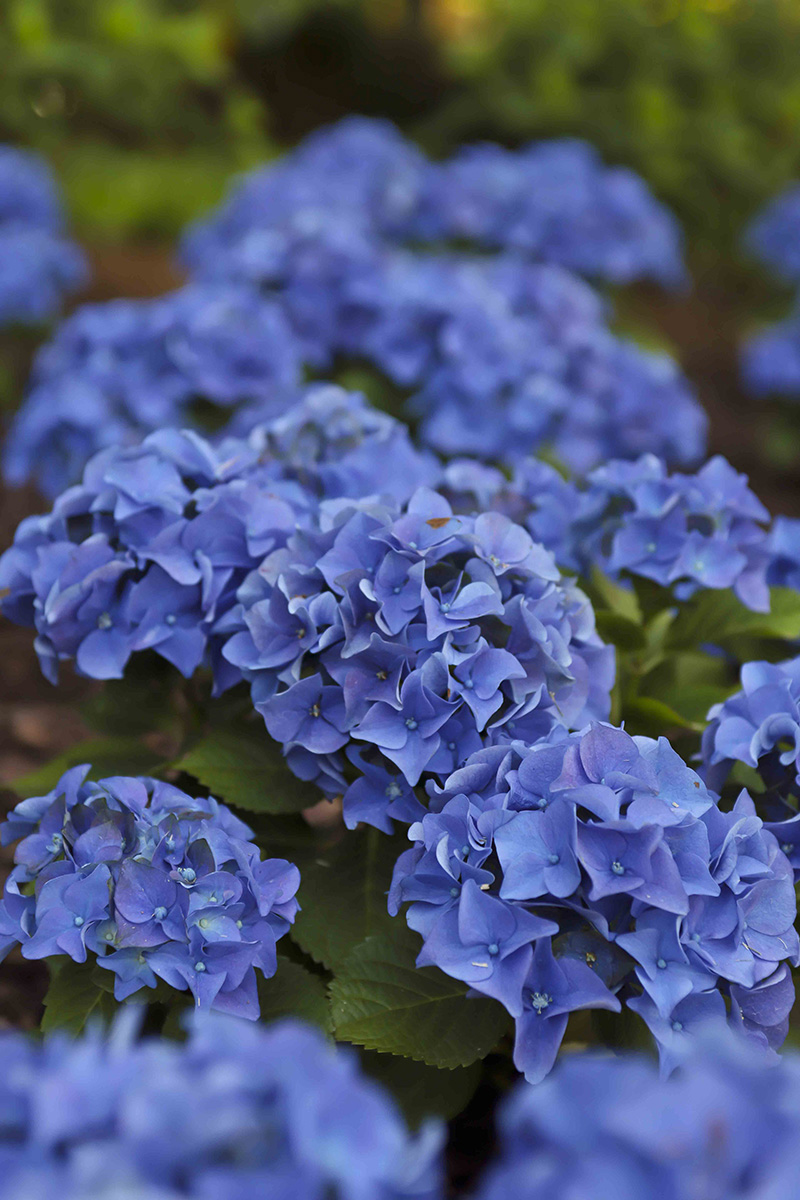
Indeed, keeping the yard in blooming color all year long was another essential part of the landscape design. “Camellias bloom over several months, but I also like lots of perennials, and of course any good Southern woman likes hydrangeas,” she says.
Page notes that even in the heat of summer or the coldest winter, something is always in bloom here. Fruit trees including peaches, pears, and apples also keep the bounty coming all year long. To keep the color going strong in any season, fresh batches of vibrant annuals are added regularly. “They have these enormous displays of seasonal color, and they are also able to bring things from the garden inside to use as cut flowers,” Page says.
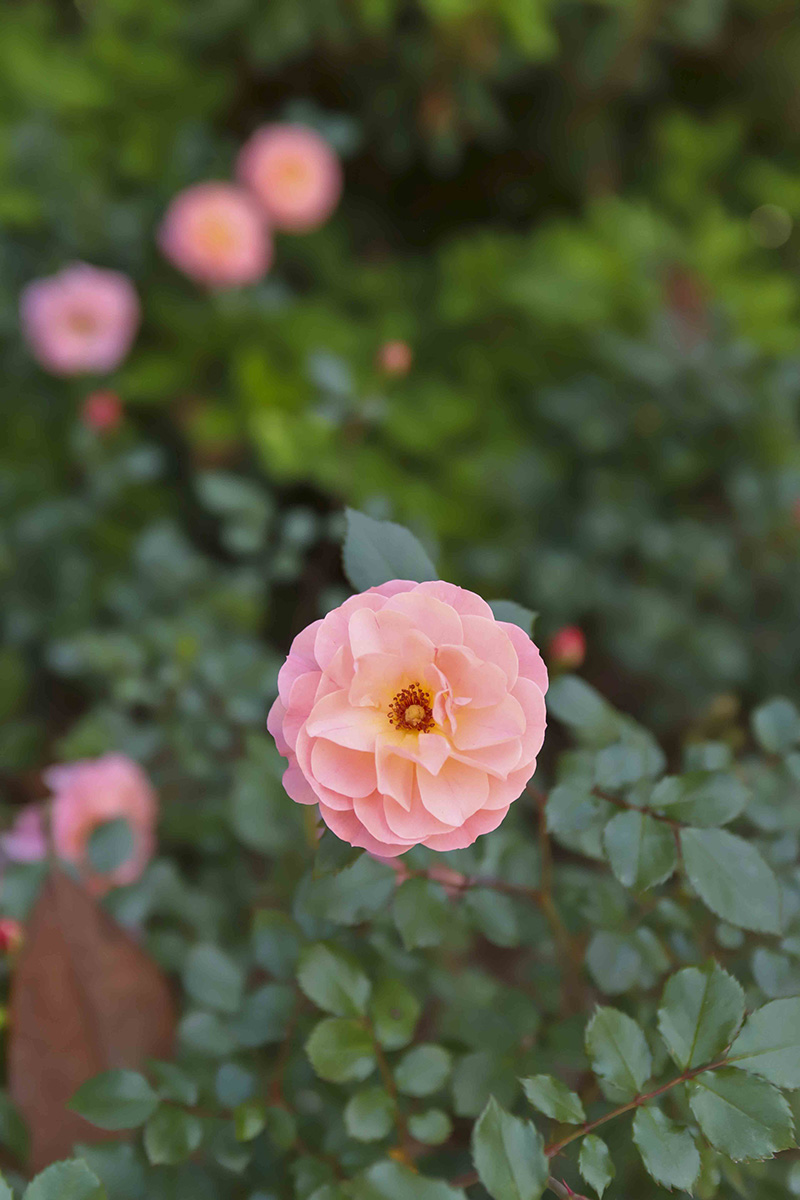
Fresh-cut roses from the property’s rose garden are often among those that make it indoors for brightening a room. “It’s one of the preeminent rose collections anywhere in this part of the state,” Page says, “which is a challenge because the heat and the humidity in Hattiesburg make it really difficult to grow roses. They do beautifully in the spring and the late fall, but in order to keep them going in the summer, you have to be pretty rigorous about maintenance.”
Another goal of the landscape project was to ensure that the homeowners had versatile spaces for entertaining, whether for small family groups or large parties. Among the biggest regular events is a church Easter egg hunt that takes place in the area surrounding one of the landscape’s most whimsical elements, an adventure playground with a massive replica of an old riverboat. “There’s a climbing tower and a zipline,” the homeowner points out. “We have as many as 80 or 90 kids hunting eggs here, and it’s just a special time when the yard is probably at its best.”
Page says the ship area was “one of the most amazing playgrounds” that he had ever worked on, yet only one of the myriad entertaining areas built into the design. “This is a garden landscape that is pretty much predicated on dynamic use, with a lot of social interaction spaces as well as horticulture spaces like the camellia collection,” he says.
The post-hurricane landscape took nearly three years to complete, Page says, with a wide net cast to find the right plants all around the South and extensive work done to transform the clay- and sand-riddled soil into something that would support these new natural investments. Today, no matter where in the yard visitors find themselves, they are surrounded by Southern beauty—with no hint of the hurricane’s destruction—just as the landscape architect and his clients intended.
“It would have been very easy for somebody to get discouraged when Mother Nature does something like this direct hit from a hurricane,” Page reflects. “But this is an extraordinary example of visionary clients who are very committed and very passionate about their stewardship of the land and the community they live in.”